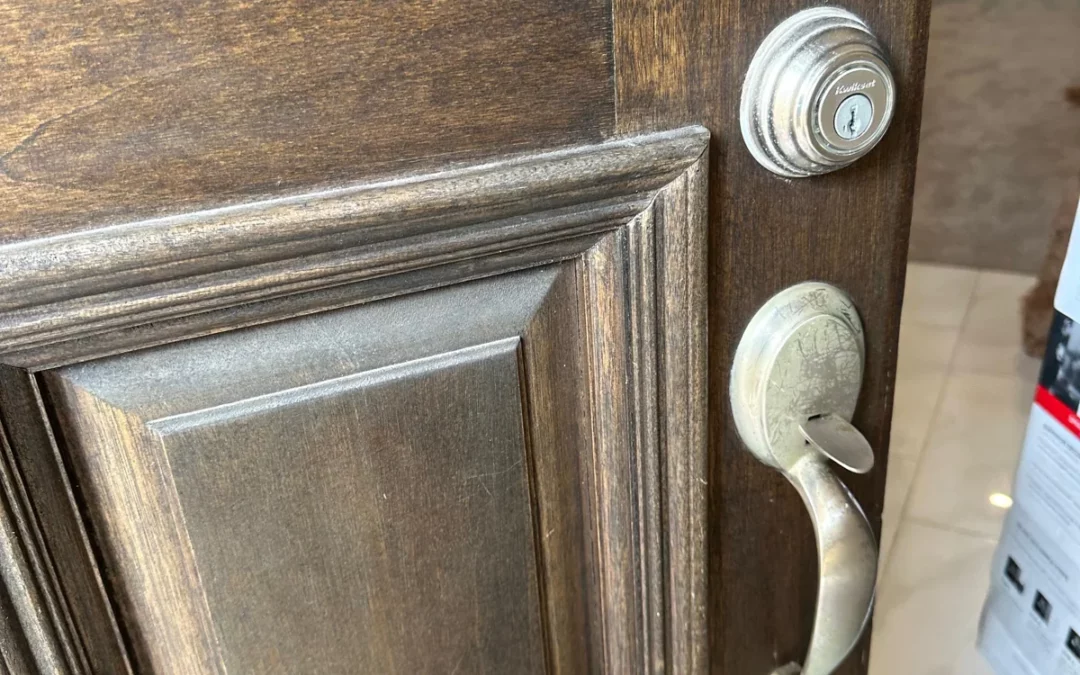
If you need to rekey or replace locks after moving, rekeying usually fits working exterior locks when you only need old keys to stop working. Replace the hardware when it sticks, is damaged, lacks the features you want, or does not match the door. Start by listing every way someone can enter your Houston home.
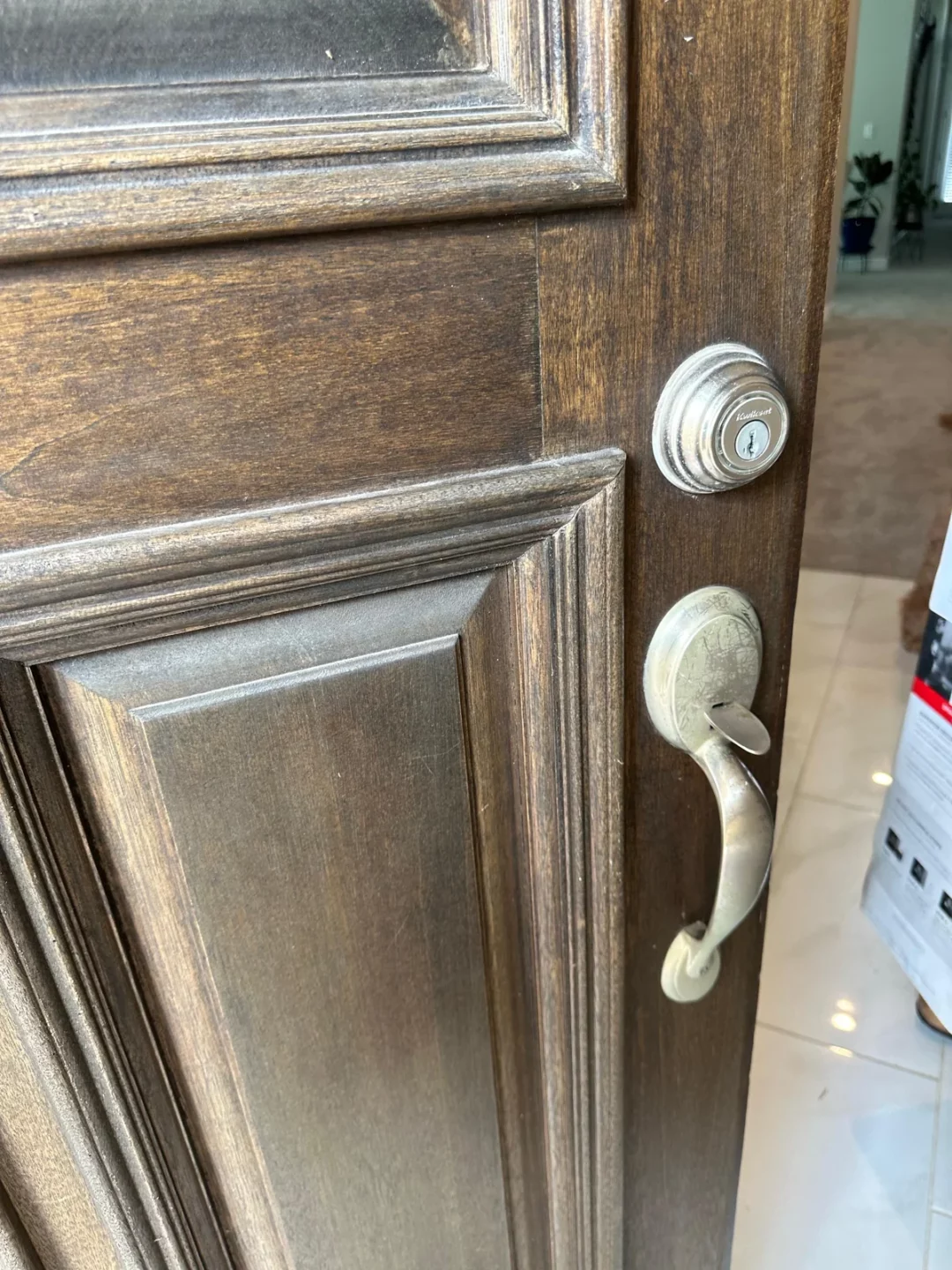
Make old keys useless as soon as you take possession
You may have received every key from a seller, builder, former tenant, neighbor, cleaner, or contractor. You still cannot know who had a copy made in the past. Schlage identifies moving into a new home as a time to change key access. That is a practical reason to handle your locks during closing week or soon after move-in.
Walk the property before scheduling service. Write down each entry and what it uses. This keeps a missed door from becoming the weak spot after the rest of the house is handled.
- Front, back, and side doors
- Doors between the house and attached garage
- Garage service doors that open outdoors
- Gate locks that lead into a fenced yard
- Detached garage, shed, or workshop doors that store valuable items
- Mailbox and community access keys, when those are part of your move-in setup
Also note which doors have a deadbolt and which have only a knob or lever lock. Take clear photos of the inside and outside hardware if you will be away when the locksmith arrives. Do not post photos that show a key code or the full key shape.
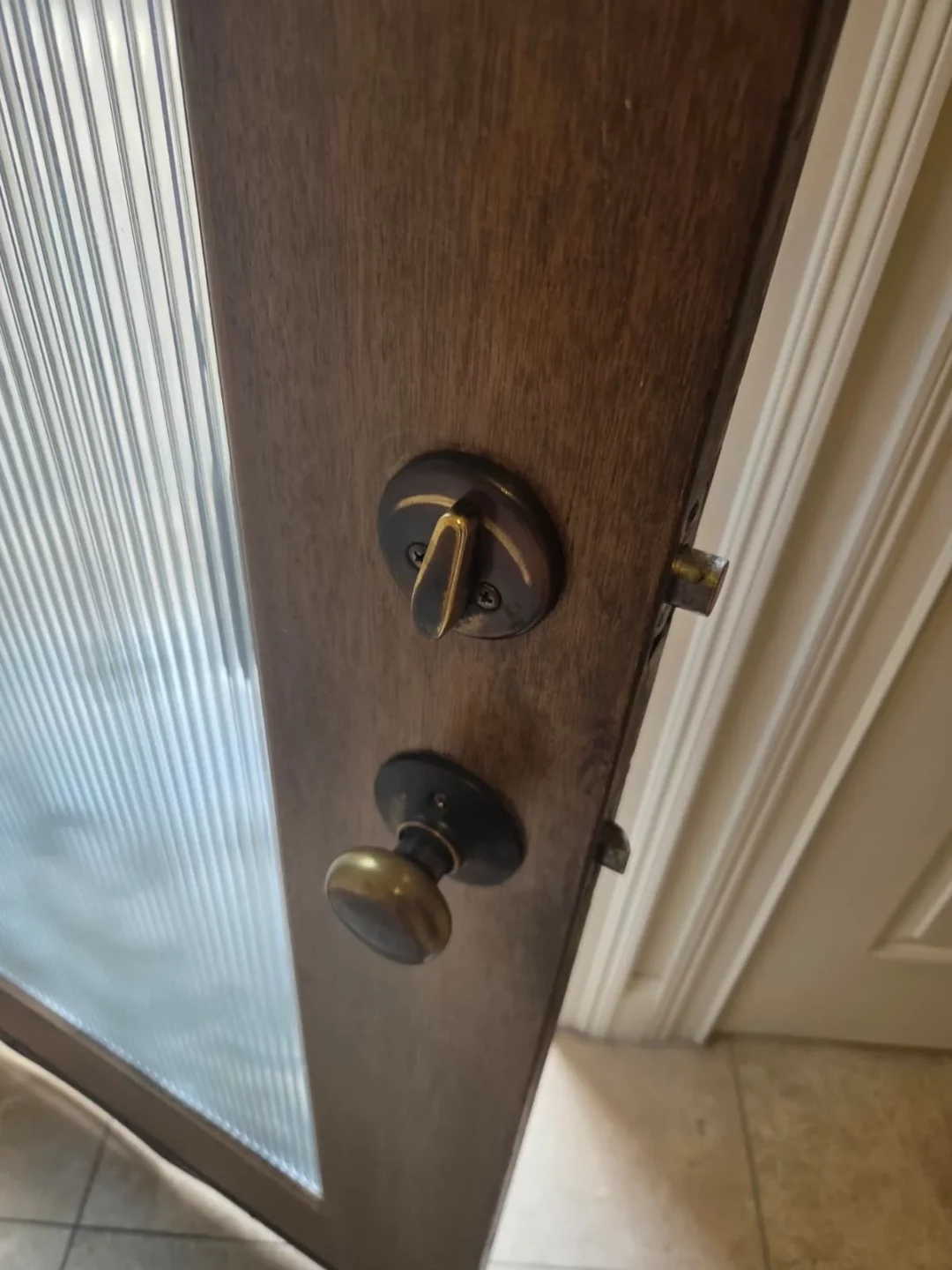
Choose rekeying when the lock hardware still works
Rekeying changes the key setup inside an existing lock. The lock stays on the door, but a prior key no longer operates it. It is often the direct choice after a move when the hardware is in good shape and your main concern is control over who has a working key.
Consider rekeying if these points fit your home.
- The key turns without force.
- The deadbolt slides fully into the frame when you close the door.
- The handle or knob feels secure and returns normally.
- You like the current look and function of the hardware.
- You want fewer keys for compatible entry locks.
Having multiple entry locks work with a single key can make daily use easier. It also helps you spot an unexpected key on your ring. A locksmith must inspect the existing lock types before confirming whether they can share a key. Brands, key styles, and past changes can affect that choice.
Rekeying does not repair a worn latch, a loose handle, a bent key, or a door that is out of line. It also does not add a deadbolt where there is none. If a door needs those changes, replacement may be the better path.
When your hardware is sound, ask about residential lock rekeying for the exterior doors on your list. Tell the locksmith if you want one key for several doors, since that request may affect the work plan.
Replace locks when the hardware gives you a reason to change it
Replacement removes the existing lock hardware and installs new hardware. Pick this route when the problem is with the lock or door hardware itself, rather than only the old keys.
Replacement deserves a closer look in these situations.
A lock is hard to use
Do not ignore a key that needs jiggling, a deadbolt that will not turn, a latch that catches, or a loose outside handle. These problems can leave you locked out or unable to secure the door. A locksmith can inspect whether the issue comes from the lock, the door alignment, or both.
The hardware is damaged or incomplete
Replace a lock with visible damage, missing screws, a cracked trim plate, or a keyway that has been abused. A recent repair, old holes, or a door that has been painted many times may also need attention so the new hardware fits correctly.
You want a different type of access
Moving is a natural time to switch from a basic key lock to another setup. Right Away Locksmith LLC lists standard, high-security, and smart-lock options on its residential lock replacement page. A smart lock can use a code, app, key, or some mix of those options, depending on the model.
Before choosing smart hardware, decide who needs access and how they will enter during a power or phone problem. Check the door thickness, backset, and existing holes with a locksmith before buying a lock. Those details affect fit. Keep any product instructions, backup keys, and account recovery details in a safe place after installation.
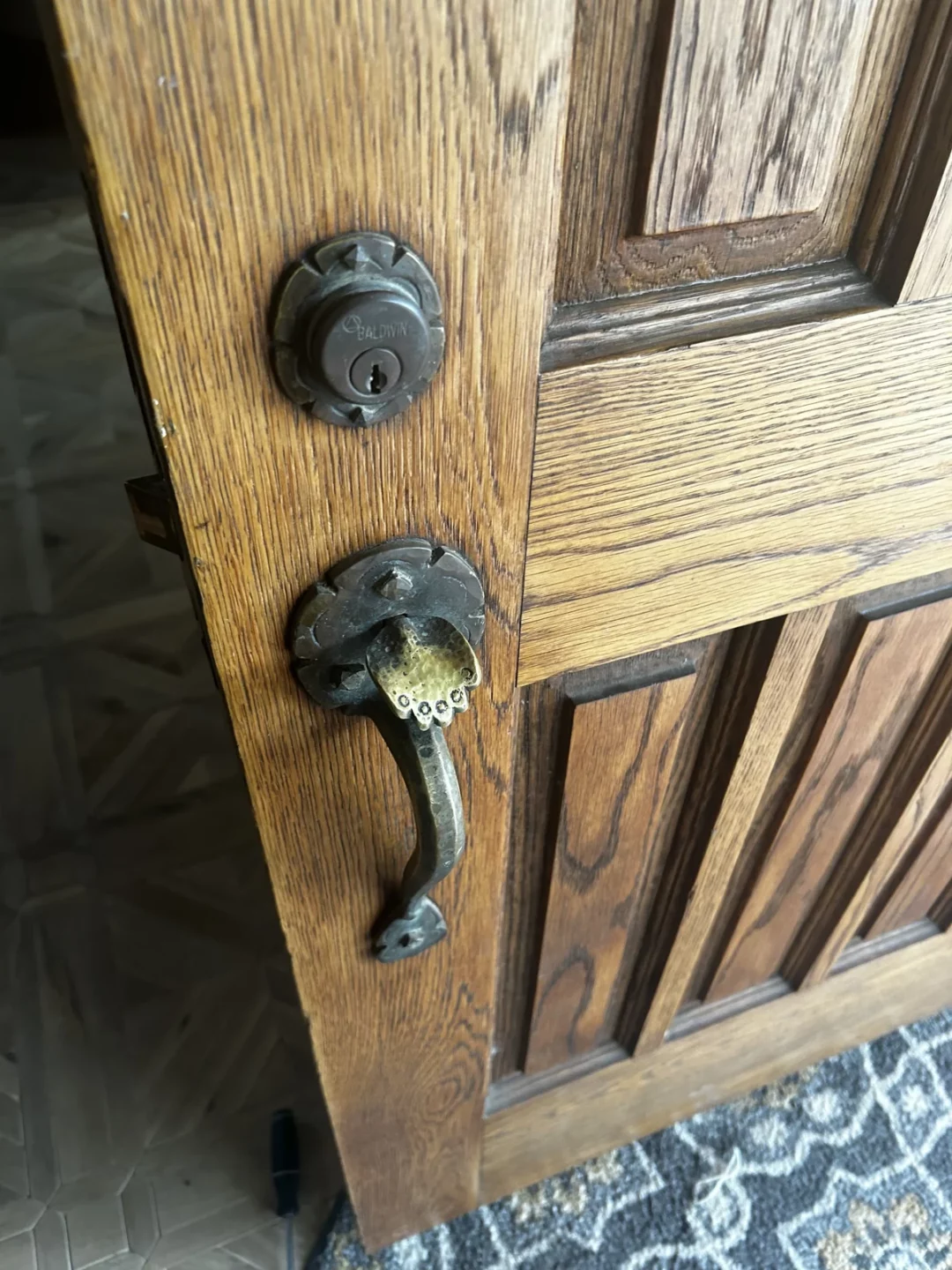
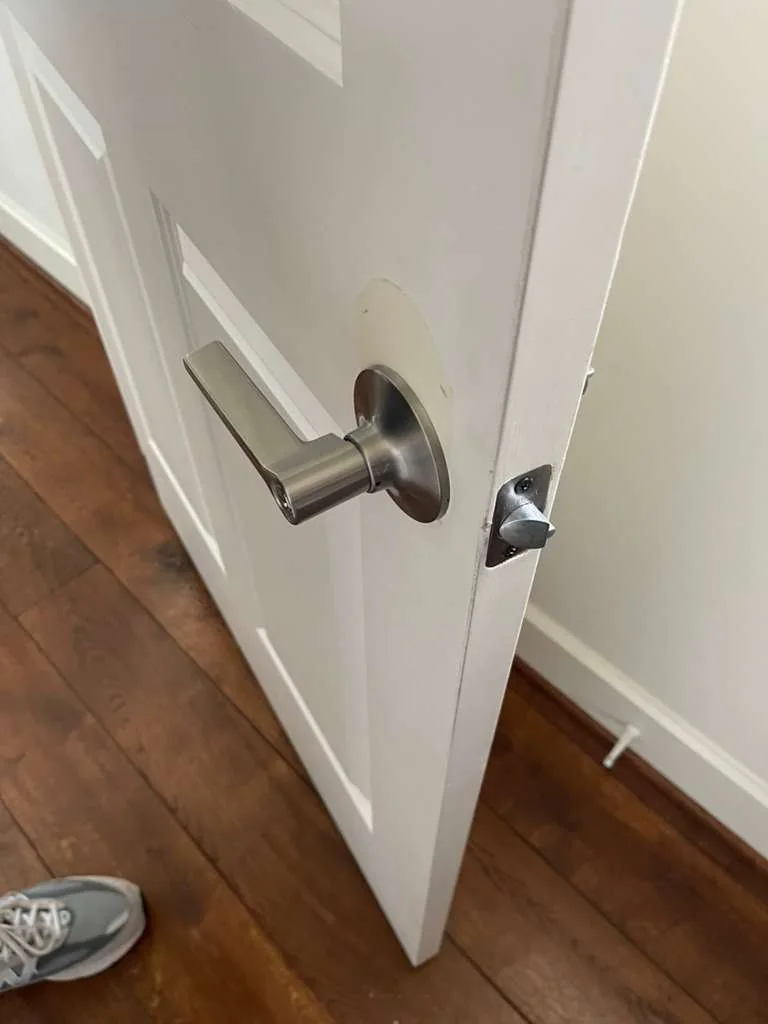
Use this side-by-side check before you decide
| What you find | Better starting choice | What to ask for |
|---|---|---|
| Locks work well and you only need new key control | Rekey | Rekey all exterior entry locks |
| Several compatible locks and too many keys | Rekey | Ask if a single key can work across them |
| Key sticks, latch binds, or hardware is loose | Inspection for replacement | Find out whether the lock, door, or frame needs work |
| Damaged, unwanted, or mismatched hardware | Replace | Choose new lock hardware that fits the door |
| You want codes or app access | Replace | Discuss smart-lock options and backup entry |
A mixed plan can also make sense. You might rekey working doors and replace only the lock that is damaged or needs a new feature. There is no need to change solid hardware simply because another door needs replacement.
Renters should contact the landlord before changing a lock
Do not assume you can change exterior hardware on a rental without permission. Your lease may set rules for locks, keys, access devices, and who must receive a copy. Send the landlord or property manager a written request and keep the reply.
Texas has a turnover rekey rule for many residential rentals. Under Texas Property Code Section 92.156, a landlord must rekey keyed, card, or combination lock devices at the landlord’s expense no later than the seventh day after tenant turnover. The law also allows a tenant to request added rekeying or device changes at the tenant’s expense. Lease terms and the details of a rental can matter, so ask the property manager how they will handle your keys and any planned hardware change.
Before moving furniture in, test the keys you were given on each lock. Report a key that does not work, a door that will not lock, or a missing device promptly. Keep any receipt or written record related to approved changes.
Prepare for the appointment without sharing key details
Have an adult who can approve the work present, if possible. Gather all current keys, garage remotes, and access fobs that apply to the doors being reviewed. Point out the entries you use most and mention any door that sticks during rain or after temperature changes.
Ask the locksmith to identify which locks can be rekeyed, which should be replaced, and whether the locks you want keyed alike are compatible. If you are considering a smart lock, ask who will set up the owner account and how you will keep a backup way to enter. Change any temporary code after workers, guests, or movers no longer need access.
When choosing a locksmith, confirm the business name, service requested, and contact number before work begins. The Texas Department of Public Safety regulates locksmiths under its private security rules and describes its work involving background checks, complaints, discipline, and action against unlicensed services. You can also ask the company to explain the work in plain language before approving it.
FAQs
Should I change the garage remote after moving?
Check the garage door opener manual for how to clear stored remotes and add your own. A garage remote may give access to an attached garage, so it deserves attention along with door keys. Also secure the door between the garage and living area with a working lock.
Can I use the same key for every door in my house?
Maybe. Locks need compatible key systems before they can be set to one key. A locksmith can check the exterior locks and tell you which can match. Keep a labeled spare key in a secure location rather than hiding it outside near the door.
What should I do with keys left by the prior owner?
Keep them until you confirm every listed entry has been handled. Once the locks have been rekeyed or replaced, separate old keys from your current set so nobody grabs the wrong one during unpacking. If a key has an address tag, remove or destroy the tag before discarding the key.
Do I need to replace every interior door lock after a move?
Interior locks usually serve privacy rather than exterior entry control. Review them if a bedroom, office, storage room, or connecting door has a lock you need to manage. Put exterior entries first when time or budget requires you to choose.
For help deciding whether to rekey or replace locks after moving in Houston, call Right Away Locksmith LLC at (832) 850-5261. Describe your exterior doors and any lock problems so the team can help plan the next step.