

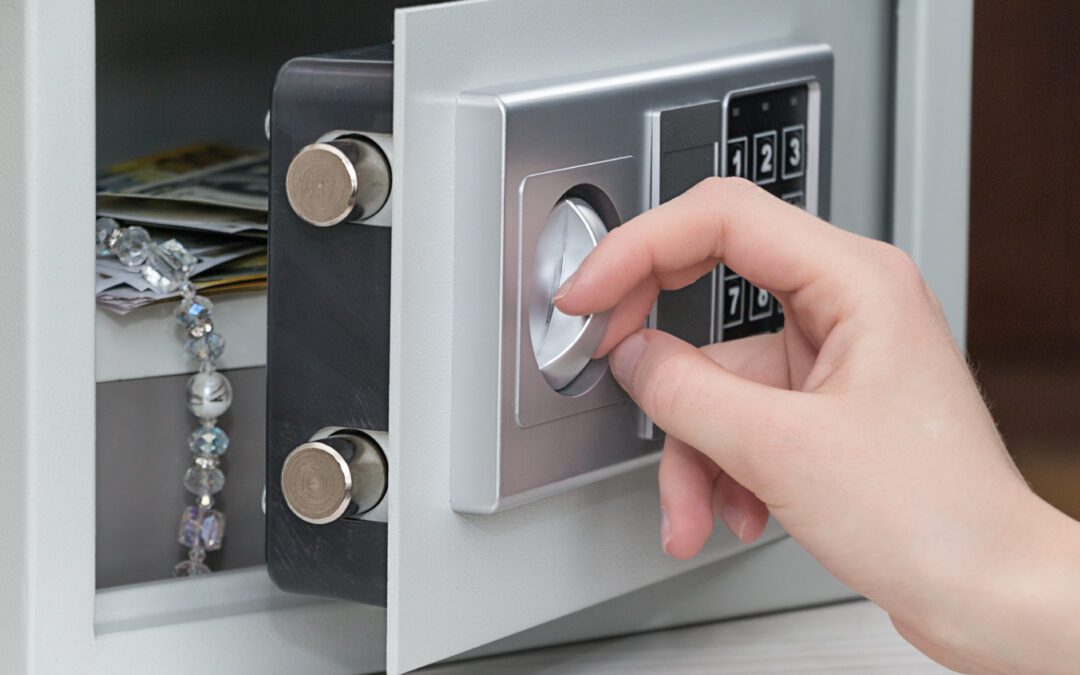
A good spot for a home safe is hidden, close to daily life, and locked to the house so it cannot walk away. A main bedroom closet on a flat corner, a home office cabinet, or a low shelf inside a laundry room all work. Bolt the safe into concrete or wall studs. Keep it away from high heat and water. Now let’s place it right.
Why placement matters more than the price tag
- A heavy safe means little if a thief can find it fast.
- A hidden safe means little if you cannot reach it in a hurry.
- A fancy lock means little if the whole box slides like a hockey puck.
Think of your safe like a seatbelt. If you never use it, it does not help. If you can reach it fast, lock it down tight, and keep it out of sight, you are on the right track.
Pick a spot you can reach in under 20 seconds
Speed matters. If you need a passport, a ring, or a spare key, you want it now. Keep your safe near your daily path.
- Main bedroom closet, low and in a corner.
- Home office, inside a locking cabinet with extra bolts down to a stud or floor.
- Laundry room cabinet, low shelf with a false back.
- Pantry corner, behind a row of storage bins.
A short story from the field
A dad in the Heights told us, “If I have to crawl under the attic rafters, I will never use that safe.” He was right. We moved his safe to a low corner of his closet by the shoes. We added two anchors into the slab. Now he uses it every week. The attic stayed for holiday lights, not for bank stuff.
Hide it well, then lock it to the house
Hiding slows a thief. Anchoring stops the lift. Do both.
- Use a corner or low shelf to break lines of sight.
- Add a cabinet door or a curtain.
- Place a basket or storage bin in front.
- Keep the front clear enough that you can still open it fast.
- Anchor it through the base or back, not just the shelf.
Anchoring basics for wood, tile, and concrete
Concrete slab, common in Houston
- Pick a corner near a wall. Corners are stronger and harder to pry.
- Use concrete anchors rated for your safe weight.
- Drill pilot holes with a hammer drill. Vacuum dust so bolts seat tight.
- Add a rubber mat under the safe to reduce rust from moisture and to stop wobble.
Wood subfloor
- Find the joist with a stud finder. You can also tap and listen for the solid sound.
- Use long lag bolts into the joist, not just plywood.
- Add washers to spread the load.
Tile on slab
- Use a carbide or diamond bit to get through tile clean.
- Go slow so you do not crack the tile.
- After tile, switch to a concrete bit for the slab below.
- Use sleeve anchors or wedge anchors as rated.
Wall anchors for wall safes
- Place between studs.
- Use long lag screws into studs.
- Add blocking across studs if the cavity is wide. A short 2×4 between studs adds bite.
- Do not rely on drywall anchors alone.
Rooms to consider and rooms to skip
Good rooms
- Main bedroom closet. Close to your daily life. Easy to hide in a corner.
- Home office. A cabinet can hide it, and network gear noise can mask any sound.
- Laundry room. People rarely snoop behind detergent boxes.
- Hall closet with a false bottom or back.
Rooms to skip
- Garage. Too many tools nearby. Extra heat. Easy for a thief to pull up a car and load it.
- Kids’ rooms. Kids talk. Friends talk more.
- Attic. Hot, hard to reach, and risky for paper and electronics.
- Crawl space. Moisture, bugs, and messy access.
Houston homes, heat, and humidity
Houston gets hot and sticky. Your safe and the stuff inside feel it.
- Heat can weaken adhesive pads and cheap paint. Use anchors, not tape.
- Humidity can rust bolts and hinges. Add a dehumidifier rod or a small desiccant pack.
- Storms can bring water. Keep the safe above known flood lines. In areas near Buffalo Bayou, Memorial, or Meyerland, consider a higher floor spot or a raised platform.
What we usually see in Houston, TX is this:
- Slab concrete floors across single-story homes from Spring Branch to Alief.
- Tile over slab in kitchens and baths around Katy Freeway and Westchase.
- Townhomes in Midtown with wood subfloors on upper floors. These need joist anchoring.
- HVAC closets that leak now and then. Do not put a safe near that drip pan.
Wall safe or floor safe, which is better?
Wall safe
Pros
- Easier to hide behind a mirror or picture frame.
- Often placed at chest height for fast reach.
Cons
- Limited depth. Big binders or cash boxes may not fit.
- Needs studs. Drywall alone will not hold.
Floor safe
Pros
- Hard to pry if set in concrete.
- Easy to hide under a rug or inside a closet floor.
Cons
- Concrete work needed. Not a quick job.
- Water risk if near plumbing or flood zones.
Portable safe inside a bigger safe
Yes, a safe inside a safe can help. A small fire safe for papers inside a larger theft safe adds two locks to beat. Place the big safe low in a closet, bolt it down, then tuck the smaller safe inside.
How high should the safe sit?
Keep the base 1 to 4 inches off the floor if you worry about small leaks. A simple rubber pad or low platform can help. Do not raise it so high that the bolts stop short. A flat base gives better anchor bite.
Decoy safe, a smart trick
A small visible box with a little cash and a fake ring can act like a decoy. Place it in an easy drawer. Keep your real safe hidden and bolted. If a thief is in a rush, the decoy may draw focus. Think of it like a fishing lure. Shiny, but not the real meal.
Noise and light help
- Put a motion sensor near the safe area.
- Add a small battery light inside the closet so you can see the dial fast.
- A camera that looks at the closet door, not inside the safe, can add proof if you ever need it.
Anchoring in apartments or rentals
Ask first. If you cannot drill, place the safe in a tight cabinet and add a steel cable around a stud or pipe support that is allowed by the lease. Add heavy items inside to add mass. Hide it well. If you move out, patch small pilot holes with wood filler or a simple patch kit.
Placement by what you store
Passports and papers
- Home office cabinet or bedroom closet.
- Add hanging file folders inside if space allows.
- Keep them in plastic sleeves to fight moisture.
Jewelry and watches
- Main bedroom closet shelf, low corner.
- Use a soft liner to avoid scratches.
- Add a small battery light inside.
Handgun storage
- Quick access safe near bed, mounted to a nightstand or wall stud.
- Use a model with a code or biometric pad that you can open by feel.
- Follow local laws and safe handling rules. Keep kids in mind.
Hard drives and USBs
- Keep them in anti-static sleeves.
- Add desiccant packs to fight moisture.
- Avoid the attic or garage.
Documents that need a notary or a quick grab
- Place near where you sort mail.
- A hallway closet with a false back can be handy.
Shape and size, how they affect placement
- Tall narrow safes fit in closets but can tip if not bolted. Always anchor them.
- Short wide safes can slide under a shelf. Add front cover with a box or bin.
- Heavy is good, but do not trust weight alone. Bolts win.
Anchors, screws, and tools you need
- Stud finder, tape measure, pencil, hammer drill for concrete.
- Carbide or diamond bits for tile, wood bit for joists.
- Wedge anchors for concrete, lag bolts and washers for wood.
- Vacuum, shop towels, safety glasses, and ear plugs.
Quick layout steps that work in most homes
- 1. Pick a room near daily life. Closet or office are best.
- 2. Pick a corner and measure the space. Leave room for the door to open fully.
- 3. Find studs or plan for concrete anchors.
- 4. Mark holes. Drill pilot holes. Test fit bolts without the safe first.
- 5. Set a rubber mat. Place the safe. Insert bolts. Tighten in a star pattern so it seats flat.
- 6. Load the safe only after bolts are tight.
If things go wrong
- If the safe wobbles, then add a flat shim or rubber pad and retighten bolts.
- If a bolt spins in concrete, then use a larger anchor size or a chemical anchor.
- If the door scrapes, then adjust shelf height or move the safe 1 inch forward.
- If you hit rebar while drilling, then shift the hole 1 inch and try again.
- If the code is hard to reach, then rotate the safe so the keypad faces your strong hand.
- If humidity builds inside, then add desiccant and check door seal for gaps.
- If studs do not line up, then add blocking between studs and anchor into that.
Common myths and facts
- Myth: A safe is safe by weight alone. Fact: Bolting to concrete or studs stops the slide and the lift.
- Myth: The garage is the safest room. Fact: Garages have tools, heat, and easy exits.
- Myth: Floor safes are always waterproof. Fact: Many are not. Check the seal and your flood risk.
- Myth: Hiding is enough. Fact: Hiding slows, anchoring stops.
Care schedule
Weekly
- Quick peek at the door seal and keypad. Wipe dust.
- Check that nothing blocks the door swing.
Monthly
- Test the code or key. Open and close the door twice.
- Check the anchor bolts for any wiggle.
- Swap out used desiccant packs or recharge them.
Yearly
- Vacuum around and under the safe.
- Check for rust spots on hinges or bolts. Treat with a light oil.
- Review what is inside. Remove old mail, update lists, and rotate backups.
Safety notes that keep you and family safe
- Keep codes short and easy to press fast, but not your birthday.
- Do not share the code by text. If you share, do it in person and change it later.
- Teach kids that the safe is not a toy.
- If you store a firearm, keep it unloaded in the safe, with ammo separate, or follow your chosen safe practice plan. Keep locks engaged.
Placement ideas by home layout
Single-story on a slab, common near I-10 and Beltway 8
- Bedroom closet corner. Concrete anchors. Add a rubber mat.
- Office cabinet near the desk. Back bolts into studs.
Two-story townhome near Midtown or the Heights
- Second-floor closet, bolt into floor joists if above a garage.
- Avoid laundry closets that vibrate. Vibration can walk loose bolts over time.
Older homes in Oak Forest or Garden Oaks
- Wood subfloor may flex. Use extra lag bolts.
- Add blocking between joists if spacing is wide.
New builds near Sugar Land or Cypress
- Plenty of closet space. Build a false back.
- Ask the builder about pre-set blocking in walls. Some homes come with it.
Heat, cold, rain, and how they affect your safe
Houston heat and humidity can make steel sweat. That means rust over time.
- Add air space around the safe. Do not pack it tight against drywall on all sides.
- Keep away from attic doors that leak hot air.
- After long rainy weeks, crack the safe door for five minutes when you are home and safe, then close. That vents moisture.
- Winter cold snaps are short, but they can shift humidity indoors. Check desiccant packs after those weeks.
Simple tricks that double your safety
- Use two anchors on the base and two on the back if the model allows.
- Hide the safe behind a door that opens into it. When the door is open, the safe vanishes from view.
- Paint the safe to match the shelf or wall color. Matte paint cuts glare and attention.
- Label the bin in front of the safe with boring words like Old Tax Papers. People skip boring bins.
What about fire ratings and how that affects placement
Fire ratings vary. Longer ratings help in bigger homes with longer travel times for fire crews. Place the safe away from ovens, water heaters, and dryers. A closet near the center wall is often cooler in a fire than the garage or kitchen wall. Keep papers in fire bags inside the safe for extra help.
Working with alarms and smart home gear
- Put a contact sensor on the closet door.
- Place a motion sensor in the hall that leads to the safe.
- Use a smart plug for a small closet light. A voice command like closet light on helps when your hands are full.
Anchoring with chemical anchors in concrete
If a hole cracks out or the concrete is sandy, a chemical anchor can help. It is a two-part resin that fills the hole. Insert the stud before it sets. Wait the set time, then tighten the nut. This holds like glue. Wear gloves and follow the cure time on the tube.
Talking point with your partner
“Can we get to it fast if we need to bail in five minutes?” If the answer is no, move it. “Does anyone else see it when they visit?” If yes, add a front cover. “Can someone carry it out with a friend?” If yes, add more anchors.
Anchoring to brick or block walls
- Use sleeve anchors rated for masonry.
- Drill in the mortar joint, not the brick face, to avoid cracks.
- Use at least two anchors spaced apart.
When to use a pro
- You have tile you do not want to crack.
- You hit rebar and are not sure where to drill next.
- You need a floor safe set in concrete.
- You want a tidy install with no mess and correct anchors for your wall type.
FAQs
Q: Where to place a home safe in a small apartment?
A: A bedroom closet low shelf works. Use a cable lock around a stud if drilling is not allowed. Hide it behind bins or a laundry basket.
Q: How high off the floor should my safe be?
A: Keep it low for lifting safety and better anchoring. A low corner gives the best pry resistance and quick reach.
Q: Can I put a safe in the garage?
A: You can, but we do not suggest it. Too many tools around, more heat, and easy loading. Inside the house is better.
Q: Will a wall safe hold heavy items?
A: Wall safes are shallow. They hold papers and small items well. Heavy items fit better in a floor or cabinet safe.
Q: How many bolts do I need to anchor the safe?
A: At least two into concrete or two into studs. Four is better if the safe has holes for it.
Q: What if my closet has no studs where I want the safe?
A: Add a piece of blocking between studs, then anchor into that. Or anchor through the base into the floor.
Q: Do I need a dehumidifier rod in Houston?
A: It helps. Heat rods or desiccant packs reduce moisture and protect metal and papers.
Q: Should I use a code or a key?
A: Use a code for speed. Keep a backup key in a second spot, not in the same room.
Q: Where should I not put a safe?
A: Skip the attic, garage, and rooms with water lines nearby. High heat and leaks are the enemy.
Q: How do I hide a safe without making it hard to use?
A: Put it behind a door or inside a cabinet with a simple front cover. Keep the path clear so you can open it fast.
What we usually see in Houston homes
- Closet installs on slab concrete near Tanglewood and West U.
- Office installs with back bolts into studs near River Oaks District and Galleria area.
- Second-floor installs in townhomes off I-45 with joist anchors and front covers.
Final placement checklist
- Hidden from quick view when doors are open.
- Within a short walk from where you get dressed or do bills.
- Anchored to concrete or studs with proper hardware.
- Away from water sources, heat, and heavy tools.
- Clear path to open the door fully.
If you want help placing or anchoring a safe, we can handle it. Right Away Locksmith LLC serves Houston and nearby areas with friendly techs who know local floors, studs, and slabs. We place, bolt, and tune your safe so it stays handy, hidden, and hard to move. Call <tel:+18328505261>(832) 850-5261</tel:+18328505261> or visit https://rightawaylocksmith.com. We make it easy and tidy, so you feel secure at home.
