
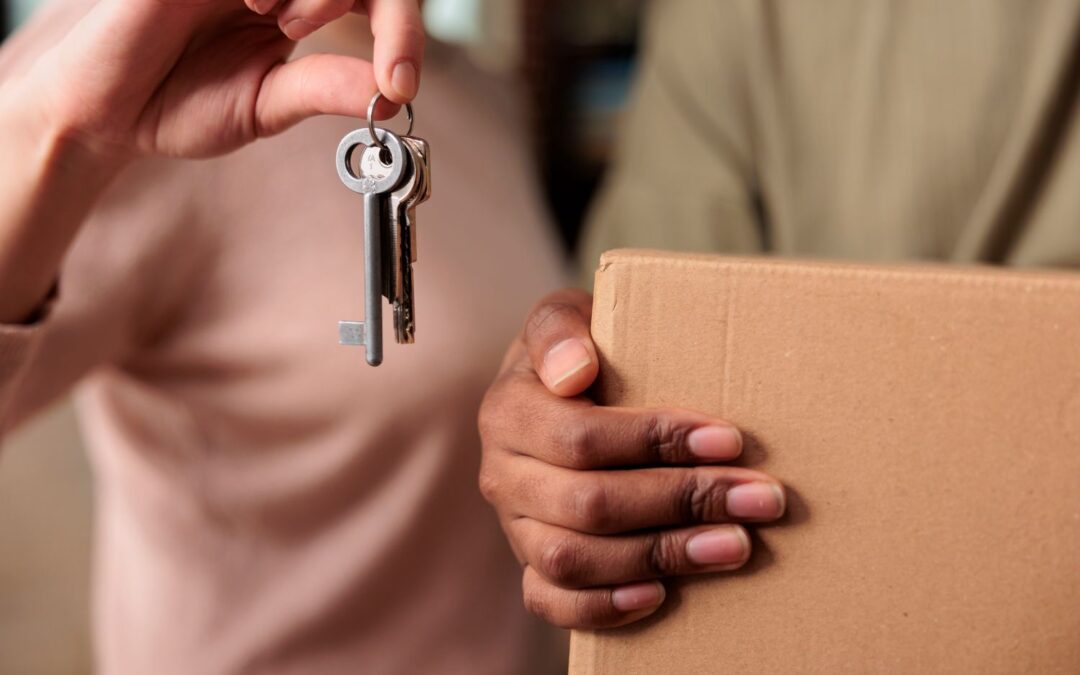
A tenant move-in lock checklist helps you stop key mix-ups, cut delays, and keep the first week calm. On day one, confirm who has keys, rekey or change locks, test every door, label access clearly, and fix weak spots before staff starts coming and going. A little lock work up front saves a pile of trouble later, kind of like tightening your lug nuts before a road trip.

Why move-in week causes lock problems
Opening week can feel like a three-ring circus. Contractors come in, cleaning crews come out, managers hand off keys, and a new tenant wants everything to work right now. That is when small lock mistakes turn into big time-wasters.
A spare key might still be floating around from the last tenant. A back door may stick. A mailbox key might be missing. A stockroom lock may not match the new key set. Then the phones start ringing, and nobody wants that song and dance.
A solid tenant move-in lock checklist keeps everyone on the same page. It also helps property managers, building owners, and business tenants know who can enter which space from the first day. For help with access planning, Commercial locksmith support from Right Away Locksmith LLC can help organize the first week. You can also review Commercial lock rekeying options or Contact Us for scheduling.
Start with key control, not guesswork
The first rule is simple. Know every point of entry.
Walk the space before move-in day and list every lock and door. That includes:
- Front entry doors
- Rear service doors
- Office doors
- Storage rooms
- Interior suite doors
- Mailboxes
- File cabinets
- Gate locks
- Panic bar doors
- Utility rooms, if tenant access applies
Write down what each lock does and who should have access. If you skip this step, keys can spread like spilled marbles.
A quick story here helps. A manager once thought he had all the keys for a retail suite. He had most of them. The back door key was still with an old vendor. Staff found out on delivery day. That is the sort of hiccup that burns an hour before lunch. It helps to review Commercial lock replacement, Panic bar installation, and Mailbox lock replacement before move-in.
Day-one lock checklist for a new tenant
This is the meat and potatoes. These are the first tasks that prevent access mix-ups and lost time.
1. Rekey or change exterior locks
If a prior tenant, vendor, cleaner, or worker may still have a key, rekey the lock or replace it. Rekeying lets the lock stay in place while the old key stops working. That is often the cleanest fix when the hardware is still in good shape.
Change the lock if the hardware is worn, damaged, rusted, loose, or wrong for the door. In many cases, Commercial lock rekeying or Commercial lock replacement is the practical next step.
2. Test every key in every assigned lock
Do not trust labels alone. Test each key by hand.
Check that:
- The key goes in smoothly
- The cylinder turns without sticking
- The latch pulls back fully
- The door opens and closes right
- The key comes out without a fight
If a key only works with a wiggle and a prayer, fix it now.
3. Match keys to the right users
Not everyone needs every key. Set access by job role.
A manager may need:
- Main entry
- Office
- Storage
- Alarm panel room, if allowed
A regular employee may only need:
- Front entry
- Staff area
Keep it tight and simple. More keys in more pockets means more chance of loss. Larger spaces may benefit from Commercial access control systems or Commercial keyless entry systems.
4. Label keys in a smart way
Do not label a key with the full suite number and tenant name. If it gets lost, that is a gift to the wrong person.
Use an internal code that only your team knows. Keep a key log in a safe place. A plain code beats a flashing sign.
5. Check door closers, strikes, and hinges
A lock is only half the story. If the door sags, swells, or slams, the lock may act up.
Check:
- Loose hinges
- Misaligned strike plates
- Door closers that slam or do not latch
- Weather stripping rubbing too hard
- Panic bars that stick
A lock can be innocent while the door is the real troublemaker. If needed, review Commercial lock repair, Push bars, and Exit device installation.
6. Confirm all copy counts
Count how many keys were made. Count how many were handed out. Count how many are in reserve. Then write it down.
This step sounds boring, but boring wins the race. If a key goes missing later, you know where to start.
7. Secure forgotten side items
Many move-ins miss the little things:
- Mailbox locks
- Cabinet locks
- Desk locks
- Padlocks on gates or cages
- Keyed thermostats
- Server rack locks
These can cause just as much grief as a front door issue. It helps to check Mailbox lock replacement and other Commercial locksmith services at the same time.
8. Check emergency exits
Emergency exits must work right and meet building rules. Make sure they open from the inside with no struggle. Do not block them with furniture, boxes, or last-minute move-in clutter.
A short safety note here, keep life safety hardware working as it should. Security matters, but people must be able to exit fast in an emergency. For general safety guidance, see OSHA exit routes.
A simple table to keep move-in week organized
| Item | What to check | Why it matters |
|---|---|---|
| Front door lock | Rekey or replace, test key turn | Stops old access, avoids first-day lockouts |
| Back door | Confirm key match and latch | Prevents delivery delays |
| Interior office doors | Assign by role | Limits access confusion |
| Storage room | Rekey if prior users had access | Protects stock and tools |
| Mailbox or cabinet locks | Test keys, replace missing cores | Stops small but annoying delays |
| Exit devices | Open from inside, latch right | Supports safe exit |
| Key log | Record copies and users | Tracks missing keys fast |
What we usually see in Houston, TX
In Houston, move-in lock problems often show up in retail strips, office suites, and small warehouse spaces near roads like Westheimer Road and areas like The Galleria. The pattern is pretty common. The front lock gets checked, but the back door and stockroom get ignored. Then opening week starts, and someone is stuck outside holding a box of supplies and looking like a cat that missed the jump.
Humidity also plays a part here. Doors can swell, metal parts can get sticky, and older hardware can rust faster than folks expect. Property teams often call for Commercial lock repair, Locksmith for buildings, or Emergency locksmith help when opening schedules are tight.
Houston weather can mess with locks
Houston weather is no joke. Heat, rain, and humidity can make a good lock act grumpy.
Heat and humidity
Moist air can cause doors to swell and metal parts to corrode. Keys may feel rough in the cylinder. Latches may not line up well.
Rain
Heavy rain can affect exterior doors, especially if water gets into the lock or the threshold shifts. That can make doors drag or not latch right.
Cold snaps
Houston does get short cold spells. When that happens, dry weather and sudden temperature swings can make old hardware stiff.
Keep exterior hardware clean and checked. If a lock starts sticking after weather changes, do not force it. Forcing it can bend the key or wear the cylinder faster. For background on the local climate, see Houston.
If this happens, do this
Use this quick guide during move-in week.
- If a key turns but the door will not open, check latch alignment and door pressure first.
- If the key will not go in all the way, look for dirt, damage, or the wrong key.
- If the lock works on one door but not another, confirm the cylinders were keyed alike as planned.
- If a door only locks when slammed, check hinges, closer, and strike position.
- If keys are missing on day one, rekey affected locks and update the key log.
- If staff share one key and it keeps disappearing, assign named keys to each user.
- If an old tenant may still have access, rekey exterior and sensitive interior locks right away.
- If the hardware is loose or rusty, replace weak parts before traffic picks up.
When fast help is needed, Emergency locksmith, Commercial lock rekeying, and Commercial lock replacement are common solutions.
Common claims, and what is actually true
- Claim, “If the old tenant returned the keys, we are fine.”
Fact, extra copies may still exist with staff, vendors, or past contractors. - Claim, “We only need to secure the front door.”
Fact, rear doors, stockrooms, and interior offices often cause the real access mix-ups. - Claim, “If the key works, the lock is good.”
Fact, a working key can still hide a weak cylinder, loose hardware, or bad alignment. - Claim, “One master key for everyone keeps it easy.”
Fact, wide access may be easy at first, but it raises the risk when keys get lost.
Weekly, monthly, and yearly care plan
A move-in checklist is step one. Then you need a simple routine.
Weekly
- Check that main entry doors latch right
- Confirm no keys are missing
- Look for loose screws on handles and closers
- Clear dirt from exterior keyways and thresholds
Monthly
- Test all assigned keys
- Review who still needs access
- Check back doors and storage doors, not just the front
- Look at hinges, strikes, and panic bars for wear
Yearly
- Review key control records
- Rekey spaces after staff turnover or tenant change
- Replace worn hardware before it fails
- Inspect exterior locks for rust and weather wear
That is it. No rocket science. Just steady habits that keep small problems from growing teeth. Ongoing support may include Commercial lock repair, Commercial lock installation, and Contact Us for service planning.
When rekeying makes more sense than replacing
A lot of people ask this. If the lock body is still solid and you just need old keys shut out, rekeying is often the smart move. It is fast, clean, and keeps the same hardware in place.
Replacement makes more sense when:
- The lock is damaged
- The hardware is cheap or worn out
- Keys stick often
- The wrong lock type is on the door
- You want a new key system
Think of rekeying like changing the combination inside the lock. Think of replacement like swapping the whole unit. Compare Commercial lock rekeying and Commercial lock replacement based on the condition of the hardware.
Building a cleaner key system from day one
If the tenant has more than one room, door, or staff group, create a simple access plan right away.
Try this setup:
- One key for each employee who needs entry
- A separate manager key for approved spaces
- Limited copies, tracked by name
- Spare keys stored off the ring, in a secure spot
If the space is bigger, a master key system may help. That lets some people open many doors while others only open the doors they need. Keep the plan simple. Fancy systems can turn into a bowl of spaghetti if nobody tracks them. For larger properties, Commercial access control systems, Commercial keyless entry systems, and Locksmith for buildings may fit the setup.
FAQs
Should locks be rekeyed every time a new tenant moves in?
Yes, if anyone from the prior tenant or old service team may still have keys. It is a clean way to stop old access.
How soon should lock work happen before opening week?
As early as you can, with final testing on or just before move-in day. That helps catch missing keys and sticky doors before staff arrives.
Is rekeying enough for a commercial space?
Often, yes, if the hardware is in good shape. If the lock is worn, damaged, or not the right type, replacement may be the better fix.
What doors get missed most often during tenant move-in?
Back doors, stockrooms, mailbox locks, and interior office doors get skipped a lot. Those missed points cause many first-week problems.
Can Houston weather really affect a lock?
Yes. Humidity, rain, and heat can make doors swell, rust parts, and throw off latch alignment. Exterior doors need extra attention.
How many spare keys should a tenant keep?
Keep only the needed number, log each copy, and store spares in a secure place. Too many copies create confusion fast.
What if a key is lost during the first week?
If the key can be tied to the space, rekey the related lock and update the key log. Fast action keeps the issue small.
Should every employee have the same access?
No. Match access to the job. That keeps security tighter and helps track problems if a key goes missing.
Right Away Locksmith LLC helps property managers, landlords, and business tenants in Houston, TX handle rekeying, lock changes, key systems, and move-in lock checks that save time during opening week. If you want help getting doors, keys, and access sorted before the first day gets messy, call (832) 850-5261 or visit https://rightawaylocksmith.com. You can also Contact Us to get started.