
A new battery is often all your key fob needs. Pop it in, press unlock, and you are back in business. Still, some cars act picky and may need a quick re-sync, and a smaller set may need true programming with the car. If your fob lights up but the car ignores it, or your push to start will not work, you might be in that second group. The good news is you can check a few things fast before you call for help.
Battery swap basics, why some fobs act weird after
Most key fobs are simple at the battery level. They store their ID in memory, and the battery only powers the button presses. So the fob does not “forget” your car just because you changed a coin battery.
So why do people think they need reprogramming after a battery swap?
Because a few other things can go wrong at the same time:
- The new battery is weak, wrong, or upside down.
- The metal clips inside the fob do not touch the battery.
- The fob case pinches a button, so it keeps “pressing” in your pocket like a kid leaning on a doorbell.
- The car’s receiver or the fob gets out of sync after repeated presses out of range.
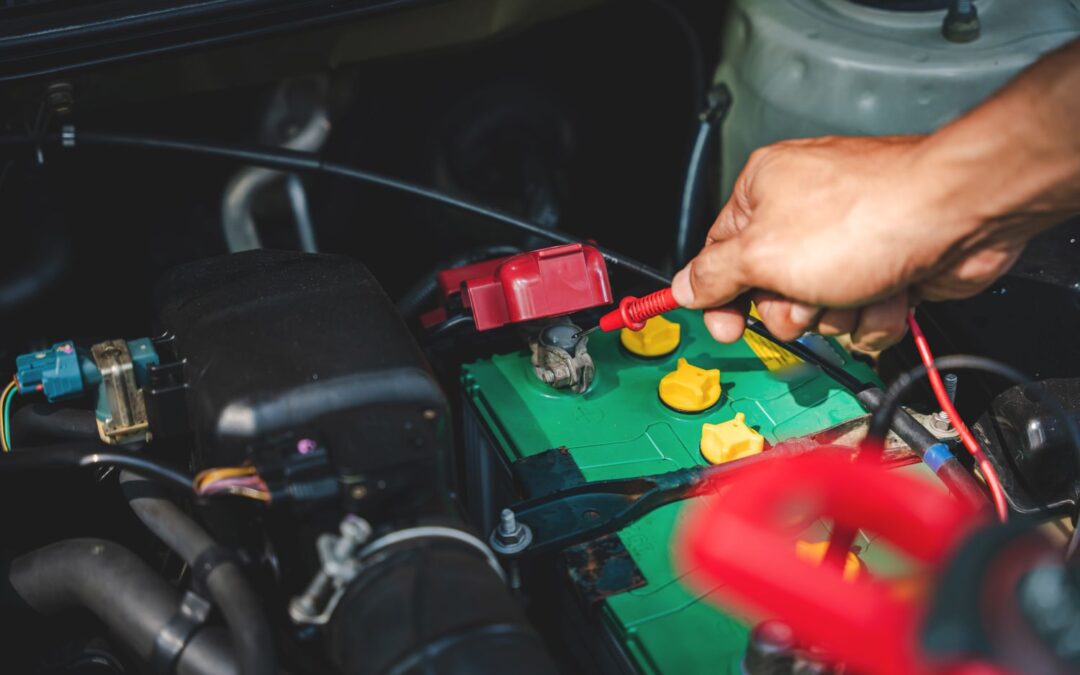
- The car battery is weak, and the car is the real problem.
Think of it like changing batteries in a TV remote. Most times it works right away. Sometimes you put the battery in backward and blame the remote for being “broken.”
Re-sync vs reprogram, same headache, different fix
People use “reprogram” for everything. In locksmith land, these are different jobs.
Re-sync (often quick)
A re-sync is when the fob and the car need to get back on the same “beat.” The fob is still the right fob for the car. It just needs a reset step.
This can happen when:
- You pressed the buttons a lot while far from the car.
- The fob battery was dead for a while and you kept trying.
- The fob got opened, and a contact shifted.
Reprogramming (more involved)
Programming means the car must accept the key or fob as authorized. This is tied to the vehicle’s security system. It often needs special tools, and in many cases proof you own the vehicle.
Programming is more likely when:
- You replaced a lost fob with a new one.
- The fob is aftermarket and not yet paired.
- The vehicle’s system lost keys after a car battery issue or module issue.
- The key has a transponder chip that the car no longer recognizes.
A simple battery swap usually does not require programming. But if the fob was already on thin ice, the battery change is when it finally falls through the cracks.
Signs a new battery is enough
If you see these signs, you likely just needed the battery:
- The fob works right after the swap.
- The fob range is back to normal, like you can lock the car from the driveway again.
- The fob light is strong and steady when you press a button.
- Your push to start works once the fob is inside the car.
If everything works, do not fix what is not broken. Put the tiny screwdriver away before it goes missing forever.
Signs you may need a re-sync
A re-sync is common when the fob seems alive but out of step.
Look for clues:
- The fob light turns on, but the doors do not lock or unlock.
- The fob works only if you stand very close to the driver door.
- The car locks, but will not unlock, or the other way around.
- Remote start stopped, but lock and unlock still work.
- The car responds after you press the button many times.
Also pay attention to timing. If it worked right after the battery swap and stopped later that day, you might have a button stuck or a loose battery contact.
Signs you may need actual programming
Programming is more likely if the car treats your key like a stranger.
Watch for:
- The car cranks but will not start, and a security light stays on.
- Push to start says “Key Not Detected” even with the fob in the car.
- You can unlock the door with the metal emergency key, but the car will not start.
- The fob is new to the car, or you had keys lost or stolen.
- The car battery died and now the key acts different than before.
Risk note: If the security light is flashing fast and the car will not start, do not keep trying over and over for 30 minutes. You can drain the new fob battery and the car battery, and you still will not win that argument.
Step-by-step checks you can do at home
You can solve many “needs reprogramming” cases with simple checks.
1) Make sure the battery is the right type
Key fobs commonly use coin batteries like CR2032, CR2025, or CR2016. They look alike. They are not the same.
- Match the number on the old battery.
- Do not trust your memory after a long day.
2) Check battery direction
Most fobs mark plus and minus in the plastic. If not, look at how the old one sat.
A backwards battery gives you a lot of nothing.
3) Clean the contacts lightly
Houston humidity plus pocket lint is a real combo. If the metal clips look dull:
- Use a clean dry cloth.
- If needed, a tiny bit of rubbing alcohol on a cotton swab, then let it dry.
Do not scrape hard with a knife. That is how people turn a small issue into a bigger one.
4) Check for loose clips or a shifted battery
If the battery wiggles:
- The contact may not press tight.
- The case may not close fully.
Sometimes you can bend a clip a hair back into place. A hair, not a full workout bend.
5) Check for a stuck button
If a button feels mushy, it may stay pressed.
- Open the case again.
- Make sure the rubber pad sits flat.
- Make sure the plastic buttons are not pinched.
A stuck button can also knock the fob out of sync on some cars, since it keeps sending signals.
6) Try the “fob-to-start” trick if your car supports it
Many push to start vehicles have a backup method. You may be able to start the car by holding the fob close to the start button, or placing it in a slot or pocket area in the car.
Your owner’s manual tells the exact spot. If you do not have the manual, search your make and model plus “key fob not detected start method.”
If the car starts this way, your fob may be fine, and the issue may be signal strength, battery contact, or the car’s receiver.
Quick troubleshooting list, if X then Y
- If the fob light does not turn on, then recheck battery type and direction.
- If the fob light turns on but nothing works, then check battery contacts and try a re-sync step for your vehicle.
- If it works only very close to the car, then the battery may be weak or the fob antenna or contacts may be off.
- If lock works but unlock does not, then check for a worn button pad or a stuck button.
- If the car says “Key Not Detected” but the fob buttons work, then try the backup start method and check for car battery issues.
- If the car will not start and the security light stays on, then you may need key programming or security system help.
- If you replaced the fob, then you will need programming to match it to the car.
Where battery swaps go wrong most often
Here are the top trouble spots we see:
- Wrong battery size, it fits but does not power right.
- Cheap battery that was already old.
- Fingerprints and grime on the battery face, it can affect contact.
- Bent contact clip inside the fob.
- Cracked fob case, it will not hold pressure on the battery.
- People mix up a keyless entry remote with a transponder key problem, and chase the wrong fix.
A quick story. A guy near Westheimer swapped his battery in a parking lot. He swore the fob “needed programming now.” Turned out the battery was right, but upside down. He laughed, I laughed, the car stayed serious like it always does.
What we usually see in Houston, TX
Heat and humidity do not help small electronics. We often run into:
- Fob cases that warp a bit after living in a hot truck.
- Sticky button pads after a rainy week and damp pockets.
- Car batteries that get weak fast in summer, then the key issue shows up at the same time.
- Water damage from a quick run through a storm, phone gets saved, fob does not.
If you drive around the Loop, park in open lots, or keep your keys in a cup holder that turns into a little oven, your fob works harder than you think.
Weather matters more than people think
Houston weather can mess with both sides of the system, the fob and the car.
Heat
Heat speeds up battery drain. It can also soften rubber button pads and make buttons stick. Leaving a fob on a dashboard is like leaving a chocolate bar on the sidewalk.
Humidity and rain
Moisture can cause corrosion on the battery contacts. Even a tiny film can reduce power. A fob that was dropped in a puddle may work for a week, then fail later.
Cold snaps
Houston does not get long winters, but cold mornings happen. Cold can make weak batteries show their true self. If your fob works at lunch but not at 6 am, the battery or contacts may be borderline.
Common myths and facts that cause confusion
Myth: “Any battery swap needs reprogramming.”
Fact: Most fobs keep their memory. A battery swap usually fixes it.
Myth: “If the fob light turns on, the fob is fine.”
Fact: The light only shows some power. The signal can still be weak, or the car may not be receiving it.
Myth: “My car will start if the doors unlock, so programming is not the issue.”
Fact: Some cars separate remote lock functions from the immobilizer chip. You can unlock the door and still not start the car.
Myth: “A dead car battery cannot affect the key.”
Fact: A weak car battery can cause odd receiver and security behavior. The fob gets blamed, but the car is the tired one.
Re-sync methods, why they vary by car
Some vehicles let you re-sync with a simple sequence, like key on and off, door open and close, or button holds. Others require a scan tool.
Because steps vary by make, model, and year, you should look up the exact steps for your vehicle. If you try random sequences you saw online, you can waste time and still end up calling for help.
If you do try a re-sync:
- Keep all doors closed unless the steps say otherwise.
- Keep other fobs away so you do not confuse the car.
- Use a good battery first, or you are trying to shout with a whisper.
For general background on vehicle security and immobilizer systems, see https://en.wikipedia.org/wiki/Immobiliser.
When a locksmith can help, and what that looks like
An automotive locksmith can help in a few ways:
- Test the fob battery and fit, and check contact pressure.
- Confirm if the issue is re-sync or programming.
- Program transponder keys and many smart keys, depending on the vehicle.
- Help when all keys are lost, or when you have a new fob that needs pairing.
- Cut and fit emergency keys for the door, so you are not stuck.
If you are near the Galleria area or running errands along I-10, a mobile locksmith visit can save you from towing the car for a key issue that is fixable on site in many cases.
Risk note: If your car is in a tight garage, keep it ventilated if you need to run the engine while testing. Also keep the vehicle in park, foot on brake when needed, and do not test remote start in an enclosed space. For general guidance on idling and enclosed spaces, see https://www.epa.gov/indoor-air-quality-iaq/carbon-monoxides-impact-indoor-air-quality.
If you need hands-on help with locks, keys, or vehicle access, explore Car locksmith, Car key replacement, or Transponder and Key FOB programming.
Simple care schedule to keep fobs working
A little routine saves a lot of “why is my car mad at me” moments.
Weekly
- Do a quick button check. If a button feels stuck, fix it before it drains the battery.
- Keep the fob dry. If it got wet, dry it out fast.
Monthly
- Wipe the fob with a dry cloth.
- Check the key ring. Too much weight can crack the case over time.
Yearly
- Replace the battery if range is dropping, even if it still works.
- Inspect the case for cracks, loose seams, or missing screws.
- If you use a spare key, test it once a year so it does not surprise you on the worst day.
FAQs
Do I need reprogramming after battery swap on a key fob?
Most of the time, no. A correct battery swap should work right away. If the fob still fails, you may need a re-sync step or you may have a contact or button issue.
Why does my key fob work only when I am close to the car after a new battery?
That often points to weak power delivery. The battery may be the wrong type, low quality, or not seated well. Corroded or bent contacts can also cut range.
My key fob unlocks the door but the car will not start, what gives?
Your remote buttons and the immobilizer system can be separate. The fob can unlock the car, yet the transponder or smart key function may not be recognized. That can call for programming or a vehicle system check.
Can a dead car battery make my key fob stop working?
It can make the car stop responding to the fob. If the car battery is weak, the receiver and security system may act odd. If you suspect this, test the car battery too.
After I changed the battery, my key fob light is on but nothing happens, what should I do first?
Recheck battery direction and type, then inspect the metal contacts inside the fob. Make sure the case closes tight and no button is stuck.
Do I risk damaging my car if I try to re-sync the fob myself?
Basic re-sync steps are usually safe if you follow steps for your exact vehicle. Avoid random steps from the wrong model year. If the security light comes on and the car will not start, stop and get help.
What if my key fob got wet in Houston rain and now acts strange?
Dry it right away, remove the battery if you can, and let it dry fully. Moisture can cause corrosion on contacts and may lead to signal trouble later.
When should I call a locksmith instead of trying again?
Call when you have no working keys, the car will not start and shows a security warning, you replaced the fob, or you have tried a correct battery swap and contact check and still get no response.
Need help with a key fob battery issue, a re-sync, or key programming in Houston, TX? Right Away Locksmith LLC can check the fob, confirm what your car needs, and get you back to locking, unlocking, and starting without the runaround. Call (832) 850-5261 or visit https://rightawaylocksmith.com. You can also reach the team through Contact Us.